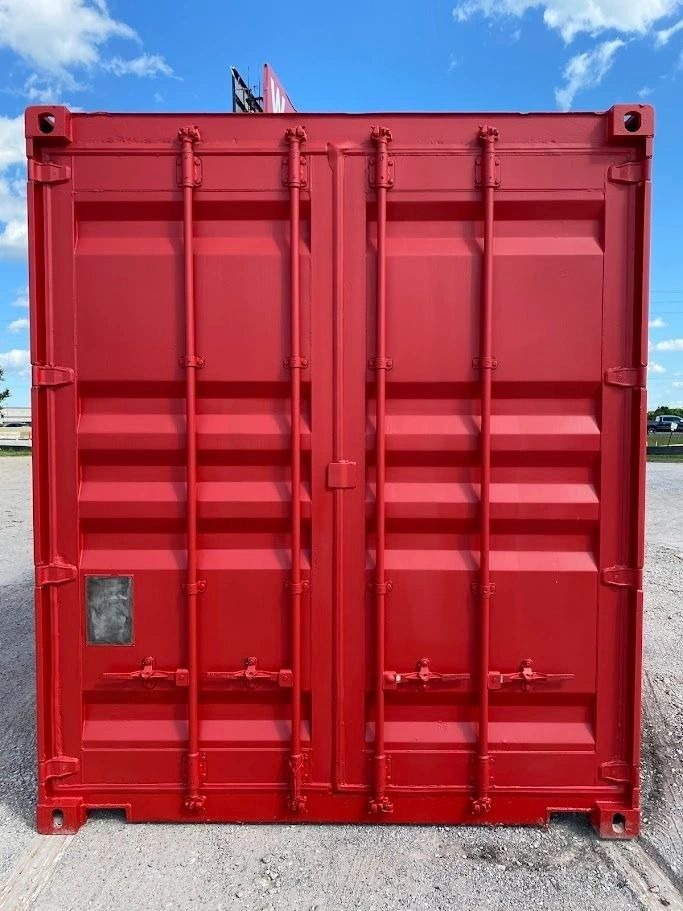
Understanding Leg1 Containers: The Future of Modular Shipping
In the fast-paced world of logistics and shipping, efficiency and specialization have actually taken spotlight. Among the developments emerging from this landscape is the principle of Leg1 containers. This blog post explores what Leg1 containers are, their applications, and their effect on the shipping industry, as well as addressing typical concerns about this modern shipping option.
What Are Leg1 Containers?
Leg1 containers, frequently referred to as modular containers, are specialized shipping systems developed for improved flexibility and effectiveness in transportation and storage. Unlike standard shipping containers, Leg1 containers are crafted to optimize space, enhance handling, and cater to a range of cargo types. These containers are especially useful for industries needing quick release and versatile supply chain operations, such as e-commerce, pharmaceuticals, and food services.
Secret Features of Leg1 Containers
- Modularity: Leg1 containers can be integrated with other Leg1 units to produce bigger shipping solutions customized to specific requirements. This flexibility allows organizations to adjust their shipping infrastructure quickly.
- Smart Technology Integration: Many Leg1 containers come equipped with IoT devices that offer real-time tracking, temperature control, and cargo tracking, boosting efficiency and minimizing the threat of damage or loss.
- Sturdiness: Constructed utilizing high-quality materials, these containers stand up to extreme environments and keep the stability of their contents.
- Sustainability: As sustainability ends up being a priority across industries, Leg1 containers are typically built with environment-friendly materials and can be repurposed, minimizing waste.
Applications of Leg1 Containers
Leg1 containers serve a multitude of industries and applications. Here are a few significant examples:
| Industry | Application |
|---|---|
| E-commerce | Last-mile shipment efficiencies in city areas |
| Pharmaceuticals | Temperature-controlled transportation for sensitive drugs |
| Food Services | Mobile kitchen areas and on-site catering services |
| Building and construction | Storage and transportation of tools and materials |
| Agriculture | Farming equipment and livestock transportation |
The table above highlights the flexibility of Leg1 containers across numerous sectors, showcasing their ability to effectively deal with unique logistical difficulties.
Advantages of Using Leg1 Containers
Organizations that embrace Leg1 containers typically experience a number of benefits, including:
1. Enhanced Efficiency
Leg1 containers' wise innovation integration permits much better stock management and tracking, causing minimized preparations and operational expenses.
2. Customization
Services can customize the size and setup of Leg1 containers to meet particular shipping requirements, enhancing area utilization within the supply chain.
3. Improved Safety
The long lasting design of Leg1 containers assists to secure cargo from environmental risks, decreasing the risk of putridity or damage during transportation.
4. Scalability
As companies grow, Leg1 containers can quickly broaden or reduce capacity without needing big capital investments in infrastructure.
5. Environmental Impact
Lowering waste through the reusability of Leg1 containers adds to reduce carbon footprints, lining up with global sustainability objectives.
Contrast Between Leg1 Containers and Standard Containers
When considering the benefits of Leg1 containers, it's necessary to compare them with traditional shipping containers to highlight the unique benefits they offer.
| Feature | Leg1 Containers | Requirement Containers |
|---|---|---|
| Modularity | Highly modular, adjustable | Fixed size and style |
| Innovation | Smart features (tracking, IoT) | Minimal technology |
| Durability | Top quality, weather-resistant | Differs by producer |
| Ecological Impact | Environmentally friendly choices available | Minimal sustainability efforts |
| Application | Flexible use throughout sectors | Mainly for bulk transportation |
This table illustrates how Leg1 containers fill a niche that standard containers can not, making them an exciting option for modern-day logistics.
Frequently Asked Questions
What types of items can be transferred in Leg1 containers?
Leg1 containers are developed for a vast array of items, including perishables, pharmaceuticals, electronic devices, and bulk materials. Their modular nature permits the transportation of numerous cargo types, adapting to the requirements of different markets.
How do I pick the best Leg1 container?
Choosing the suitable Leg1 container includes thinking about the kind of products you are transferring, the needed storage conditions (e.g., temperature control), and the size that finest matches your functional needs. Consulting with a logistics provider familiar with Leg1 technology can assist enhance this procedure.
Are Leg1 containers more expensive than conventional containers?
While initial costs may be higher due to innovative innovation and modification options, the overall cost savings attained through effectiveness, minimized losses, and much shorter shipping times typically outweigh these costs in the long run.
How are Leg1 containers preserved?
Maintenance of Leg1 containers generally involves regular examinations to guarantee structural stability, examining the performance of smart gadgets, and adherence to any industry-specific guidelines concerning shipping and handling.
Where can I purchase or rent Leg1 containers?
Numerous logistics business and suppliers focus on modular containers. A fast search online or reaching out to regional logistics suppliers can yield numerous choices customized to your company's requirements.
Leg1 containers represent a significant improvement in the shipping market, using unrivaled adaptability and efficient area utilization. Their ability to integrate innovation with modular design enables enhancements in effectiveness, safety, and ecological effect. As cogcontainersltd.com shipping practices continue to develop, Leg1 containers are poised to end up being a vital part of modern-day logistics facilities, helping organizations navigate the complexities these days's supply chain needs.
With greater need for adaptable and effective shipping options, services wanting to the future will benefit tremendously by thinking about the integration of Leg1 containers into their operations.